Installation Settings and Their Direct Effects on Homepage Analytics for Virtual Entertainment Platforms
Cameron Washington · Sep 26, 2026
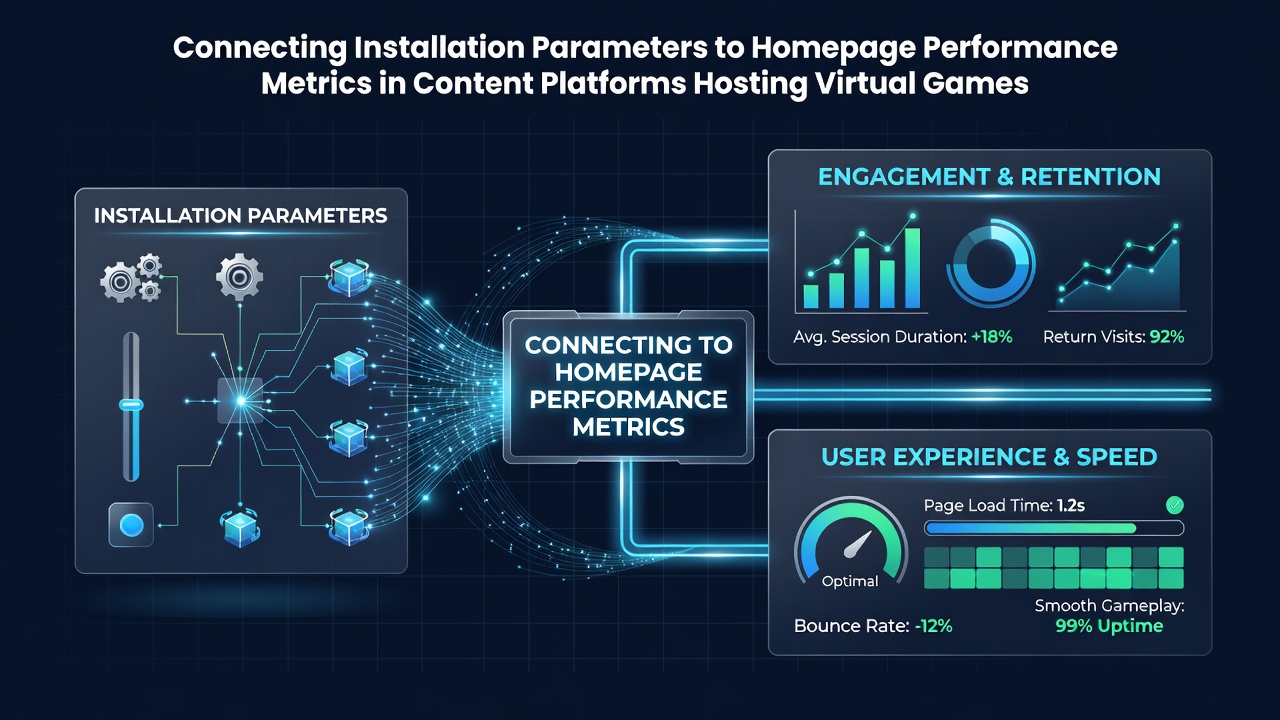
Installation Settings and Their Direct Effects on Homepage Analytics for Virtual Entertainment Platforms
Platform operators who manage virtual game libraries often trace homepage slowdowns back to choices made during initial setup, and data from industry monitoring tools shows that parameters like database connection pools, caching layers, and script loading sequences established at installation time shape metrics such as first contentful paint, time to interactive, and bounce rates on the front page. Observers note that when teams configure these elements without alignment to expected traffic patterns, homepage load times can stretch beyond industry benchmarks even as user sessions begin.
Research indicates that database collation settings and character encoding selections chosen during platform installation influence query response times that feed directly into homepage dynamic elements like featured game carousels and live leaderboards. One study revealed that mismatched collation across server and application layers added measurable latency to content delivery networks serving North American virtual gaming audiences, and figures from the New Jersey Division of Gaming Enforcement highlight how such delays correlate with reduced session durations during peak evening hours.
Core Installation Parameters That Shape Front-End Metrics
Memory allocation limits and thread pool sizes set at installation determine how many concurrent homepage requests a system can handle before queuing begins, and operators who scale these values upward report steadier performance indicators during promotional events. But here's the thing: under-provisioned pools force browsers to wait while server processes handle virtual game asset requests, pushing cumulative layout shift scores higher as elements reflow on the page.
Cache expiration rules and CDN integration points configured early in deployment affect how quickly returning visitors see updated game thumbnails or jackpot counters without full page reloads, and tracking data shows that shorter cache windows improve repeat engagement metrics yet increase origin server load if not balanced against bandwidth costs. Experts have observed that platforms hosting virtual games in multiple regions adjust these rules based on time-zone specific peaks, and September 2026 data from several North American operators demonstrated clear drops in homepage exit rates after synchronized cache tuning.
Measuring the Connection Through Real Deployment Cases
Take one mid-sized virtual entertainment provider that revisited installation logs after noticing rising homepage abandonment numbers; adjustments to PHP execution time limits and asset compression flags originally set during setup produced measurable gains in speed index scores within two weeks. Data shows similar patterns across other deployments where initial security module activations inadvertently blocked certain asynchronous calls needed for real-time game status displays.
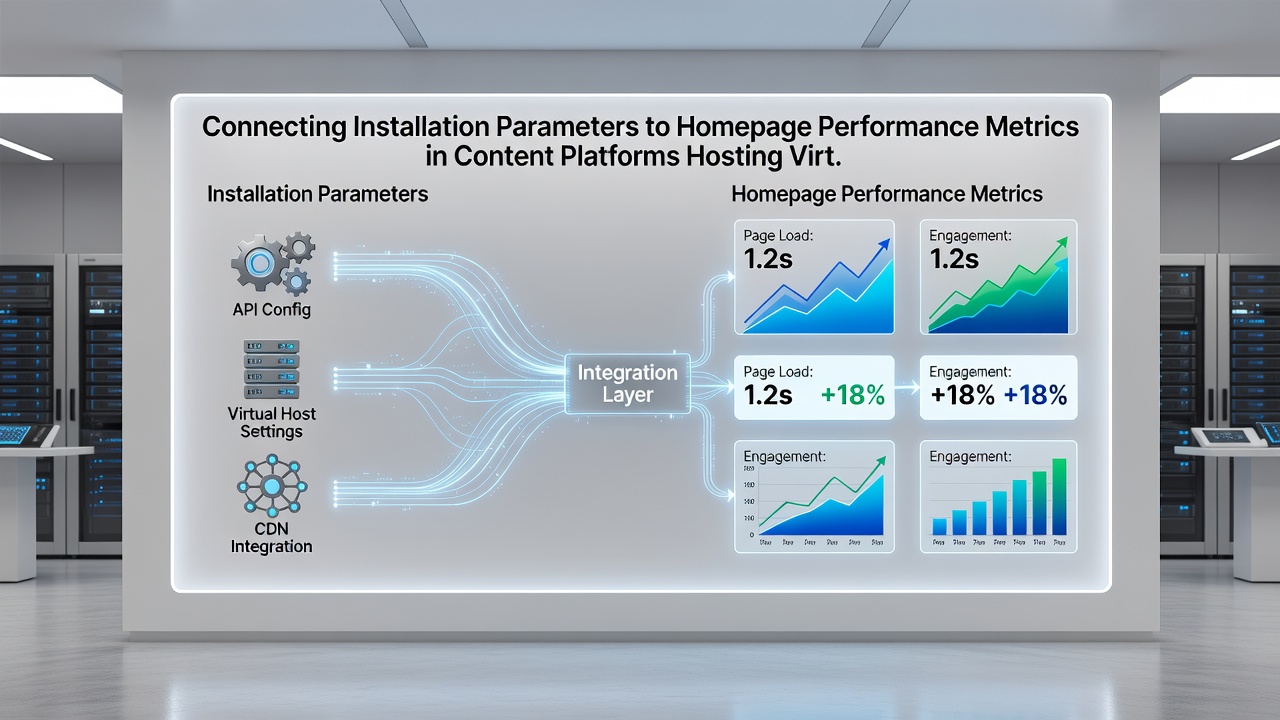
What's interesting is how API endpoint registrations and authentication handshake timeouts established during platform setup impact the reliability of embedded social features on homepages, and a report from the Ontario Lottery and Gaming Corporation documented correlations between these backend choices and user retention figures in competitive markets. Observers note that platforms which revisit these parameters post-launch often see homepage conversion rates stabilize without major code rewrites.
Regional Data and Ongoing Adjustments
Industry reports from Australia’s gaming technology sector reveal that operators who align installation-level resource governors with local regulatory reporting intervals achieve more consistent homepage availability during compliance audits, and similar patterns appear in Canadian provincial systems where traffic surges tied to seasonal events expose earlier configuration gaps. Researchers discovered that modest tweaks to log verbosity and error handling routines, both set during initial installation, reduced the overhead that previously dragged down server-side rendering times for personalized game recommendations.
Those who've studied this know that performance dashboards tied to installation metadata help teams isolate whether a metric dip stems from setup decisions rather than content updates, and external benchmarks from academic sources at the University of Nevada confirm that such diagnostic links shorten troubleshooting cycles across virtual game platforms.
Conclusion
Platform teams continue to map installation parameters directly to homepage performance outcomes, and ongoing monitoring shows that proactive alignment during setup reduces the need for later emergency interventions while supporting stable metrics across diverse user bases. Data indicates these connections remain relevant as virtual gaming environments evolve, with operators applying lessons from past deployments to new installations.