Streamlining WordPress Component Interactions for Casino Platform Stability
Cameron Washington · Sep 12, 2026
Streamlining WordPress Component Interactions for Casino Platform Stability
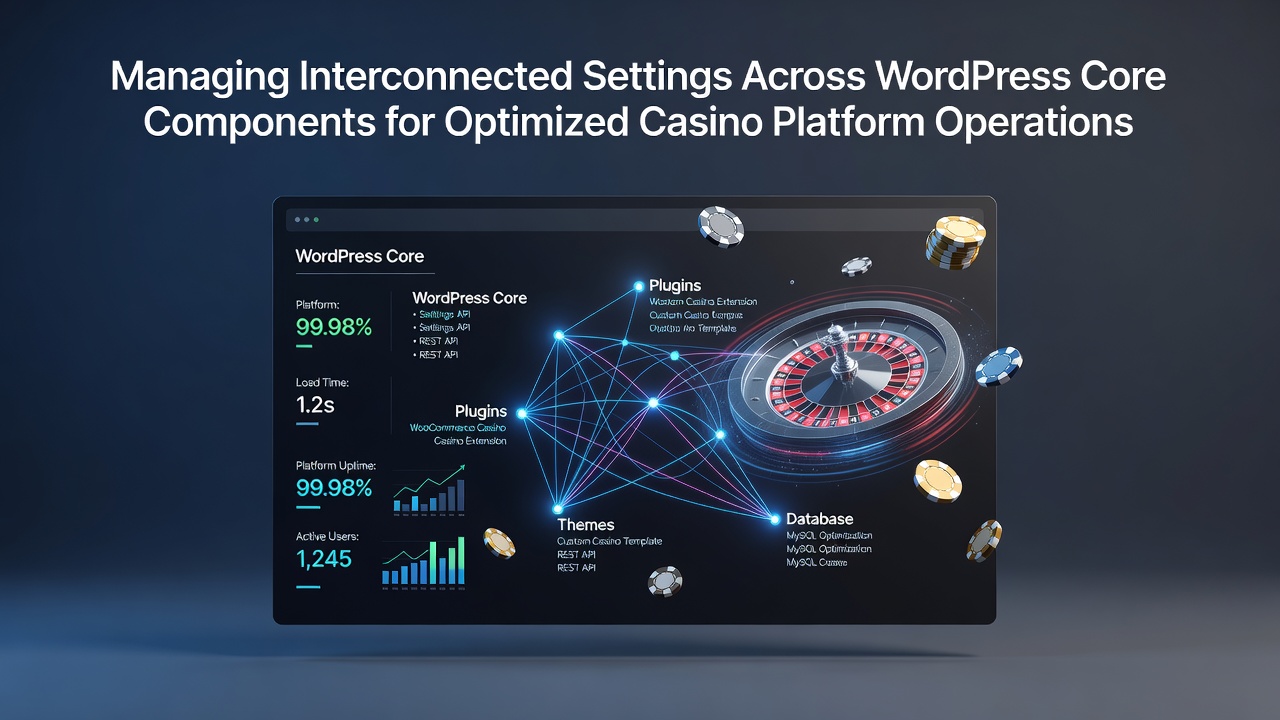
WordPress installations powering casino platforms require careful coordination among core components because changes in one area often influence performance and security in others, and operators who overlook these links face operational challenges during peak traffic periods. General settings in options-general.php connect directly to XML-RPC endpoints, user profiles, and URL structures, which means adjustments to timezones or permalinks can alter how remote calls authenticate and how content loads for international visitors. Data from industry reports shows that platforms managing these elements together maintain higher uptime rates than those handling configurations in isolation.
Core Settings and Their Ripple Effects
Settings entered in the general options panel determine how WordPress handles dates, site addresses, and email notifications, while these same values feed into authentication protocols used by xml-rpc.php during remote access attempts. When casino sites operate across multiple time zones, mismatched clock settings can disrupt scheduled promotions and reporting functions that rely on synchronized timestamps. Observers note that administrators who update the timezone field also review XML-RPC permissions because the two functions share underlying server variables that affect request validation.
Profile synchronization adds another layer because user data stored in the database interacts with remote procedure calls that casino management tools use for bulk updates or analytics pulls. Research indicates that enabling selective XML-RPC methods while keeping profile fields consistent reduces authentication errors during high-volume periods. Platforms that integrate these steps early in deployment avoid the need for emergency patches later when traffic spikes occur.
Security Configurations Across Files
Security measures applied to xml-rpc.php gain strength when they align with restrictions set in general settings and profile options because each component checks overlapping user capabilities. Casino operators running sites with heavy plugin ecosystems find that limiting XML-RPC access to specific roles prevents unauthorized entries that might originate from profile-related vulnerabilities. A September 2026 update from the Nevada Gaming Control Board highlighted increased scrutiny on digital platforms using content management systems, noting that coordinated configuration practices help meet compliance benchmarks.
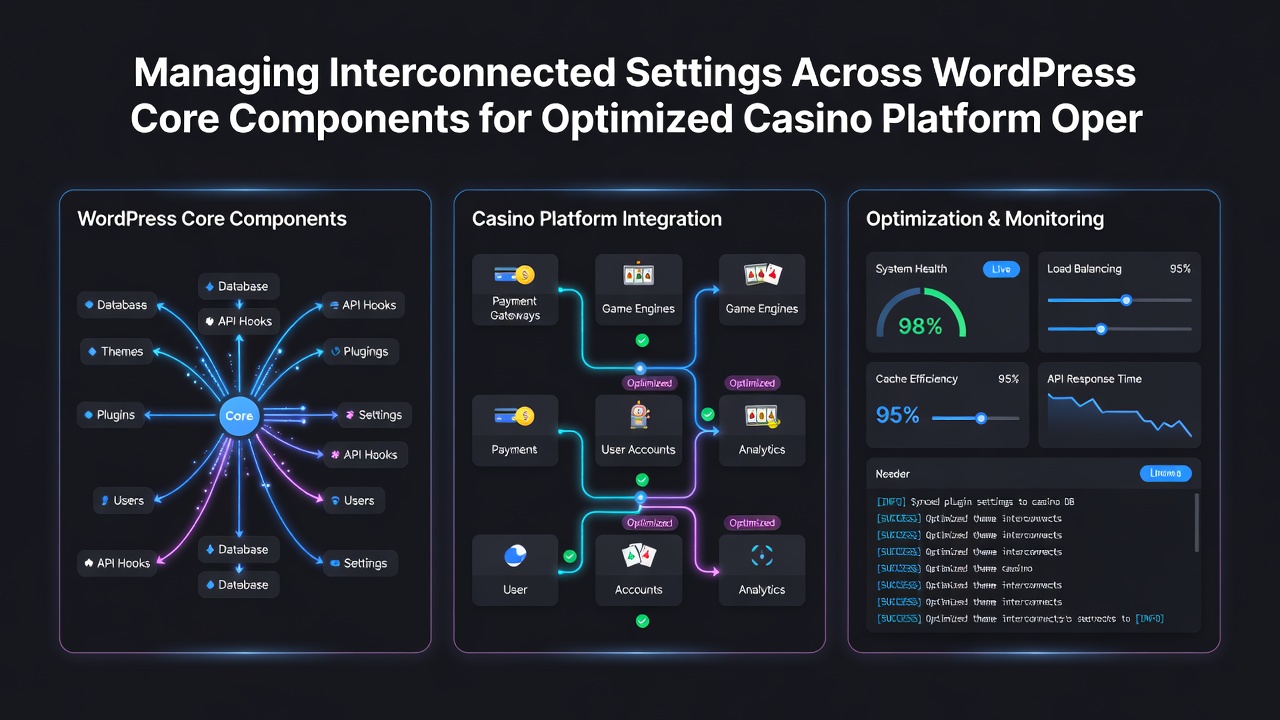
URL structures managed through permalink settings also tie into these security layers since rewritten addresses influence how endpoints receive and process requests. Those who maintain clean permalink rules alongside controlled XML-RPC exposure report fewer instances of malformed requests reaching the server. The American Gaming Association published findings in 2025 that linked consistent configuration practices across core files to improved resilience against common web threats targeting gaming sites.
Performance Optimization Through Linked Adjustments
High-traffic casino homepages depend on efficient database queries and cached responses, both of which benefit when general settings, profile data, and remote access protocols operate in harmony. Clock alignments set in the admin panel ensure that scheduled tasks triggered through XML-RPC complete on time without drift that could affect live game updates or bonus distributions. Platforms that test these interconnections during development stages identify bottlenecks before they reach production environments.
URL consistency further supports performance because properly configured permalinks reduce server load during content delivery, especially when combined with profile-based access controls that limit unnecessary database calls. Evidence from university studies on content management systems shows measurable gains in response times when administrators treat these settings as an interconnected system rather than separate modules.
Regulatory Context and September 2026 Developments
Regulatory bodies in multiple jurisdictions continue to examine how digital platforms secure user data and transaction flows, with recent attention directed at configuration practices that span multiple software components. In September 2026, updates from Canadian provincial gaming authorities emphasized the value of documented processes for managing settings that affect remote access and authentication across installed systems. Casino operators using WordPress have responded by mapping dependencies between general options, profiles, and XML-RPC functions to demonstrate compliance during audits.
These regulatory expectations align with technical realities because mismatched settings can create gaps that external tools exploit. Those managing casino sites benefit from reviewing all linked components together when preparing documentation for oversight reviews.
Conclusion
Effective management of WordPress core components for casino platforms rests on recognizing how general settings influence XML-RPC behavior, profile synchronization, and URL handling in a single operational environment. Administrators who map these connections and apply changes systematically position their sites for stable performance under varying traffic loads. Continued attention to these interdependencies supports both technical reliability and alignment with evolving regulatory standards across different regions.